

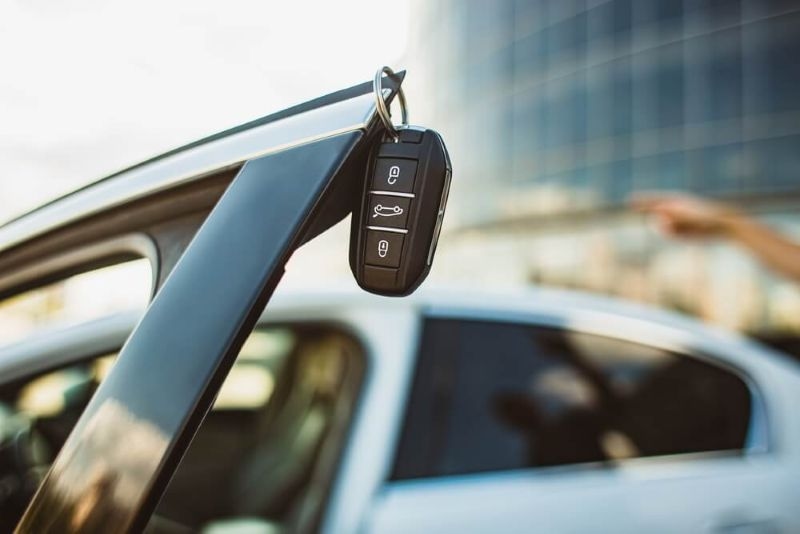
Buying a car in 2026 isn’t as easy as just walking into a dealership and picking out whatever catches your eye. Prices are up, financing works differently, tech features are everywhere, and the whole buying process has changed. Still, a lot of people end up losing money or feeling disappointed because they fall into the same car-buying traps. A little planning can save you a ton of money and stress.
Here’s a simple guide to the biggest car buying mistakes people make in 2026—and how to avoid car buying mistakes, no matter what kind of car you’re after.
Whether you want something brand new or you’re hunting for a solid used ride, these tips help you walk in with confidence.
Honestly, this is where most folks go wrong. They start shopping without a real budget in mind. It’s easy to get hung up on the monthly payment, but that doesn’t tell you the whole story. You can end up spending way too much or getting stuck in a long, expensive loan.
Figure out what you can actually afford before you even start looking. That means adding up everything—taxes, registration, insurance, gas, maintenance—the lot. Set your number and stick to it. It’s the simplest way to avoid blowing your budget in 2026.
A lot of buyers don’t even check their credit before they start talking about financing. And if your score’s low or you don’t know where you stand, you might just accept whatever loan offer comes first—even if the rate is sky-high. That’s an expensive mistake.
Now, most lenders let you get pre-approved online. Check out rates from banks, credit unions, and online lenders before you ever set foot in a dealership. This way, you know what you qualify for, and you’ll have more leverage when it’s time to talk numbers.
Dealers love to ask, “What do you want your monthly payment to be?” It sounds helpful, but it’s a trick. Smaller payments usually mean you’re paying over a longer period, which racks up interest.
Instead of just focusing on the monthly number, look at the total price and the interest rate. It’s the only way to see what you’re actually paying, and with how expensive cars are now, that matters even more.
New cars and gadgets are cool, but don't get too caught up in the shiny stuff. What really matters is if that car will break down on you every other week or if that new phone will cost a fortune to fix. The 2026 cars, especially, have a ton of tech inside, so do research and know what you’re buying.
Look up some reviews. Check out reliability scores. Find out what real owners are saying. The more you know now, the happier you’ll be with your choice down the road.
Just taking a quick loop around the block doesn’t tell you much. If you rush the test drive, you’re making a big mistake. Comfort, visibility, brakes, road noise—you really need to sit in the driver’s seat and experience it all yourself.
Take your time. Drive it on city streets, try the highway, park it in a tight spot if you can. This little bit of extra effort can save you from a lot of frustration once you own the car.
They'll try to sell you extended warranties, special paint jobs, fabric protection, and service plans. Some of these might be good, but a lot are just overpriced junk. Just saying yes to everything is a big mistake when you're buying a car.
Ask how much each thing costs and if you really need it. Saying no to the stuff you don't want helps you keep the price down and stay in your budget.
A lot of people don't like to haggle and just think the price is what it is. Then they end up paying too much. That's a classic rookie move.
In 2026, you can find prices all over the internet. Knowledge of the value of the car that you want will allow you to negotiate the car price well and confidently. Without that information, it is hard to get a fair price on a car that you want.
If you're buying a used car, don't skip the inspection and history report. If you do, you might end up with a car that's been in an accident, flooded, or has engine problems. That would turn a good deal into a nightmare. It's one of the worst things you can do.
Always get a history report and have a mechanic give it a once-over. That extra step saves you a world of headaches. Nobody wants to end up with a lemon.
A lot of people just hand over their old car at the dealership without even checking its real value. Dealers notice this and might lowball you, so you end up getting less than you should.
Honestly, it pays to do a quick search online before you head in. Find out what your car’s actually worth. That way, you can walk in confident, ready to negotiate, and get a deal that’s fair.
Salespeople still try to pressure you now. They might say it's a limited-time thing or the last one to get you to decide quickly. Don't fall for it.
When it comes to car buying, the key to making good decisions requires patience and the ability to take your time when researching and assessing what to spend your money on.
Expand Your Knowledge: Car Battery Care Tips to Spot Trouble and Prevent Failure
While purchasing a car in a competitive marketplace like the auto industry isn't always easy, doing your due diligence, along with developing a budget, finding vehicle pricing comparisons, and calling various dealerships, will enable you to avoid making incremental purchases against your financial resources. Think long term rather than focusing exclusively on the thrill of getting a new automobile.
If you know what to avoid, you can go to the dealership without stress and get a better price. Buying a smart car isn't luck. It's about making good choices.
Skipping research, focusing solely on monthly payments, and accepting high-interest-rate financing without comparing options are typical car-buying mistakes.
Beginners can discover ways to prevent car acquisition mistakes by deciding on an affordable price, evaluating their creditworthiness in advance, and gathering information about car prices before going to the car dealers.
Car negotiation mistakes typically result in the buyer paying more than the vehicle is worth or taking out a loan with unfavorable terms, thereby raising the overall cost.
Some Car Buying Mistakes to Avoid are relevant to both, however, used car purchasers need to be more careful with inspections, checking the vehicle history, and uncovering hidden repair costs.
This content was created by AI