

Car service warning signs help drivers understand when a vehicle needs attention before problems grow worse. These signs often appear through sounds, smells, leaks and much more.
This blog will help you understand the main danger signs and the common car repair symptoms. It will also cover the simple vehicle troubleshooting steps that help drivers stay safe and avoid sudden issues on the road.
Must Read: Seasonal Car Maintenance Tips for Summer and Winter Care
Car service warning signs usually appear long before a vehicle stops working. Many drivers notice small changes but ignore them because the car still runs. That is how bigger problems slowly begin. A small sound today can turn into a major failure later.
Car repair symptoms often start in quiet ways. The engine may sound slightly off. The brakes may not feel as firm. Steering might feel different on turns. These changes do not happen without a reason. They show that something inside the system is no longer working in balance.
Vehicle troubleshooting becomes much easier when problems are caught early. When many issues mix together, finding the real cause becomes harder. Delay allows damage to spread across many parts.
Dashboard warning lights also play a major role. These lights exist to warn the driver when pressure, heat, or power is not normal. Ignoring them only delays safe action. When several warning signs appear together, quick attention always helps prevent bigger failures.
Some warning signs must never be delayed because they affect safety directly. These signs show that the vehicle may stop working without warning.
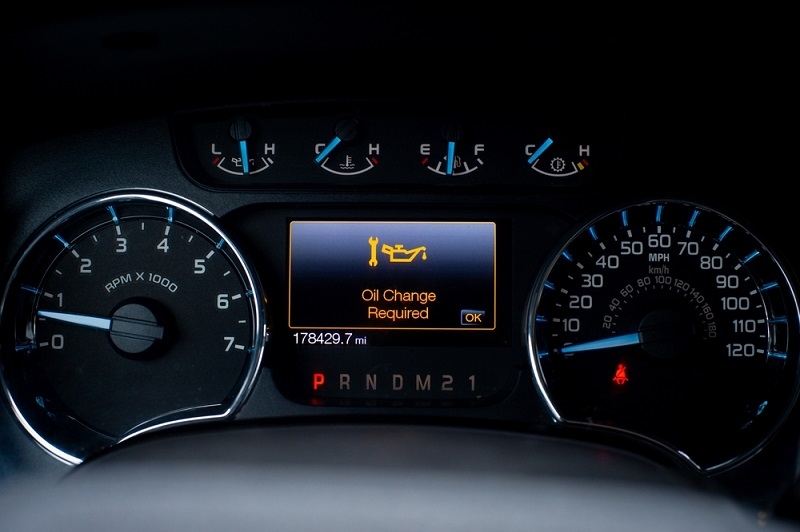
Dashboard warning lights are among the clearest car service warning signs. When these lights stay on after the car starts, they show that a system is not working properly. The problem could be with braking pressure, oil flow, power charging, or engine balance.
These lights are not reminders. They are danger messages. When they are ignored, a small system warning can turn into a full system failure. Vehicle troubleshooting becomes more difficult once the damage spreads further inside.
Grinding and screeching sounds while braking are strong car repair symptoms. These sounds show that the braking parts are under heavy strain. When the brake pedal feels soft or weak, stopping power drops quickly.
This change in braking distance puts the driver and others at risk. Each delay in stopping adds danger during traffic movement. Continued driving under these sounds often damages nearby braking parts as well.
Fluid leaks under a parked vehicle are serious car service warning signs. These leaks may come from the cooling system, braking lines, or drive flow system. When fluid levels drop, friction begins to rise inside.
Coolant leaks raise the risk of overheating. Brake fluid leaks reduce stopping strength. Gear fluid leaks affect smooth movement. These problems grow fast once leaks continue unchecked.
Even small wet spots on the ground should never be ignored. A slow leak today often becomes a major fault tomorrow.

Vehicle handling reflects a balance between the road and internal control systems. When this balance shifts, safety is affected quickly.
When the car pulls to one side without steering input, it signals balance trouble. This often links to wheel alignment or suspension issues. Tire wear also increases under this condition.
Turning becomes less stable. Control drops in fast traffic and during sharp turns. This issue should never be ignored.
Vibration in the steering wheel or seats on flat roads shows uneven movement or weak suspension support. These vibrations steadily loosen nearby parts.
With time, these shakes spread damage across support joints and mounts. Driving comfort drops. Control also becomes harder to manage.
When the steering wheel feels loose or slow to respond, it shows joint wear inside the steering system. Turning speed drops under this condition.
Quick control becomes difficult during sudden direction changes. Risk rises in narrow traffic spaces and during fast turns.
Handling changes must always be taken seriously. Road control is directly tied to driver safety and reaction time.
Changes inside the cabin often reflect deeper system trouble outside. Comfort loss usually follows airflow and moisture problems.
Fog on windows without rain often shows moisture buildup inside air channels. Visibility drops and airflow weakens.
Over time, mold may develop if moisture remains trapped. This affects both comfort and air quality.
When cooling or heating weakens, pressure loss or airflow blockage is often the cause. Temperature control becomes slow and uneven.
Stable airflow is needed for proper cabin comfort. Any change affects the balance quickly.
Musty smells show trapped moisture in air filters or ducts. Air freshness drops. Breathing comfort reduces.
Over time, blocked drainage paths often cause the problem to return again and again.
Interior warning signs should never be treated as comfort problems only. They often reflect deeper system faults.
Dashboard warning lights act as the vehicle’s early alert system. These lights detect pressure, heat, and power shifts across key systems.
Car service warning signs often begin with these lights before sound or smoke appears. When noticed early, vehicle troubleshooting becomes more direct.
Each warning light connects to a dedicated sensor. These sensors activate only when the safety balance begins to shift. This is the reason that people should never ignore the dashboard light.
Top Pick: Protect Car Interior Transporting Plants & Soil Safely
Car service warning signs help drivers act before problems grow serious. Sounds, smells, handling changes, and dashboard warning lights should never be ignored. Early attention supports smooth vehicle troubleshooting, limits car repair symptoms, and helps keep daily driving safe and steady.
Common signs include dashboard warning lights, engine noise, fluid leaks, weak braking, smoke, vibrations, and poor starting.
Yes. Dashboard warning lights always show a system imbalance and should never be ignored, even if the car still drives.
Car repair symptoms often start as small changes like weak response, soft braking, or minor sounds.
This content was created by AI